

This is a 60-day private overland expedition across ten African countries Kenya, Uganda, Tanzania, Malawi, Zambia, Botswana, Zimbabwe, Namibia, and South Africa designed with you in our minds. The journey begins in Nairobi and concludes in Cape Town, combining iconic wildlife destinations with dramatic landscapes and cultural highlights.
The itinerary features extensive game viewing in the Masai Mara, Queen Elizabeth National Park, Murchison Falls, Ngorongoro Crater, the Serengeti, South Luangwa, Chobe, Etosha, and the Okavango Delta. It also includes gorilla trekking in Bwindi Impenetrable National Park, rhino tracking at Ziwa Sanctuary, and leisure time on Zanzibar Island and Lake Malawi. Scenic experiences range from Victoria Falls and the Sossusvlei dunes to Fish River Canyon, the Cederberg Wilderness, and Cape Town.
Itinerary
This 60 -day private expedition is the ultimate African odyssey, spanning ten countries from East Africa's wildlife-rich plains to Southern Africa's dramatic deserts and coastlines. Designed for two adults, this journey combines iconic safari destinations with cultural immersion, breathtaking landscapes, and unforgettable wildlife encounters.
Track mountain gorillas in Bwindi, witness the Great Migration in the Serengeti, relax on the beaches of Zanzibar, feel the thunder of Victoria Falls, glide through the Okavango Delta, and climb the towering dunes of Sossusvlei all in one seamless, professionally guided adventure.
Your safari starts here, and we're as excited about getting going as you are. We're really looking forward to meeting you, introducing you to your guide, and taking you out on the first steps of your safari.
Your room at a Hotel Nairobi will be super-modern and stylish, which is true of everything at this fine hotel. An appealing swimming pool is the perfect place to cool off, while other facilities include two good restaurants, a gym, spa and bar. It's also in a good location, close to the airport road and not far from Nairobi National Park.
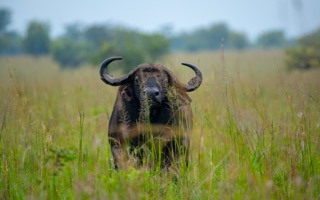
We think you'll love the Masai Mara National Reserve, one of the best places to watch wildlife anywhere in Kenya. You're almost guaranteed to see plenty of predators, including lions, leopards, cheetahs and spotted hyenas. With so many impalas, zebras, wildebeests, buffaloes and other prey species here, as well as over 500 bird species, you'll see plenty of safari action. Also everywhere are elephants, giraffes and hippos, and everyone who visits falls in love with the Masai Mara's classic safari landscapes.
Relaxing is easy at a large lodge with a range of accommodation that includes safari tents and cottages; all come with mosquito nets. While you're here, you'll be able to relax in the swimming pool, as well as the bar and restaurant. Meet other travelers and enjoy a drink under the stars around the nightly bonfire.
Spend more time exploring the stunning natural landscapes and extraordinary wildlife of the Masai Mara National Reserve.
Travel from the Masai Mara toward Eldoret, a highland town in western Kenya known for its cool climate and scenic landscapes. This is primarily a transit day as the journey moves toward the Ugandan border. Enjoy the changing scenery from savannah to rolling green hills and agricultural farmland. Overnight at Sai Inn Eldoret with breakfast, lunch, and dinner included.
Jinja was Uganda's second-largest city prior to the mid- 1990s. The characterful town center has some fine examples of colonial-era Indian architecture, while the lush residential suburbs lead down to Lake Victoria at the source of the Nile.
When you stay at Brisk Hotel Triangle, you're in a good position to enjoy this leg of your trip.
Return to the leafy city of Jinja on the northern shore of Lake Victoria, known as East Africa's adventure capital. With free time to explore, you can choose from a range of activities: take a boat cruise to the Source of the Nile, try white-water rafting or kayaking on the river's rapids, or go quad biking through rural villages and farmland along the Nile. For a more relaxed pace, visit the Jinja Central Market for crafts and local life, stop by the Gandhi Monument, or simply enjoy a cold drink at a riverside lodge overlooking the water. you will later be transfered to Kampala for your Overnight at Hotel Africana with breakfast, lunch, and dinner included.
Depart Kampala and drive southwest along the Masaka–Mbarara highway toward Lake Mburo National Park. The journey covers approximately 240–268 kilometers and takes around 4 hours by road. The route offers pleasant views of rolling hills, rural farmland, and local trading centers along the way.
Lake Mburo is Uganda's most accessible savannah park, making it an ideal stopover en route to or from Bwindi Impenetrable National Park or Queen Elizabeth National Park. The park is small at 260 square kilometers but rich in wildlife, including zebras, impalas, elands, buffaloes, hippos, and over 300 bird species. Upon arrival, you can enjoy game drives, boat safaris on Lake Mburo, or guided walking safaris with a range
Lake Mburo National Park is Uganda's smallest savannah park but one of its most rewarding, offering a relaxed and intimate wildlife experience away from the crowds. A full day here allows you to explore the park's diverse habitats—wooded savannah, wetlands, and five lakes at a leisurely pace.
Morning: Game Drive
Start early with a game drive through the park's northern and eastern tracks. Look out for zebras, impalas, elands, buffaloes, topis, and warthogs grazing on the open plains. The park is also home to leopards, hyenas, and jackals, though sightings are less common. With over 300 bird species recorded, keep an eye out for the shoebill stork, African fish eagle, and crested crane.
Midday: Boat Safari on Lake Mburo
Take a boat cruise on Lake Mburo, where you'll glide past hippos and crocodiles basking on the shores. The lake is also a haven for water birds, including herons, egrets, and kingfishers. The peaceful setting makes it a perfect way to spend a few hours.
Afternoon: Guided Walking Safari
Unlike most Ugandan parks, Lake Mburo permits walking safaris with an armed ranger. This is a rare opportunity to track animals on foot, learn about medicinal plants, and get closer to nature. You may encounter giraffes, zebras, and antelopes at eye level—an experience that's both thrilling and educational.
Optional: Community Visit or Cycling
For a cultural experience, visit the nearby Bahima community to learn about traditional cattle-keeping practices. Alternatively, cycle through the park's periphery on a mountain bike for a more active adventure.
Evening: Sundowner and Relaxation
End the day with a sundowner overlooking the lake or the rolling hills. The park's tranquility and stunning sunsets make it a memorable conclusion to your full day at Lake Mburo.
Depart Lake Mburo National Park after an early breakfast and drive southwest toward Bwindi Impenetrable National Park. The journey covers approximately 280–320 kilometers and takes around 6 to 7 hours by road, depending on road conditions and stops.
The route passes through the towns of Mbarara, Ntungamo, and Kabale, offering scenic views of rolling hills, terraced farmland, and the lush green landscapes of Uganda's southwestern highlands. As you approach Bwindi, the terrain becomes more mountainous and densely forested, signaling your arrival in one of Africa's most ancient rainforests.
Along the way, you may stop for lunch in Mbarara or Kabale. Depending on your arrival time, you can also visit the Equator crossing point near Kayabwe for a photo opportunity, or take a detour to Lake Bunyonyi for a brief scenic stop.
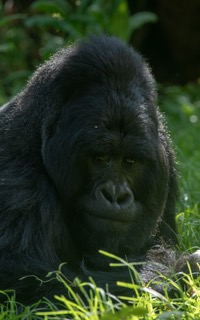
Bwindi Impenetrable National Park protects one of Africa’s most ancient highland forests. It has been inscribed as a UNESCO World Heritage Site on account of its rich biodiversity, which includes a great many plants and animals whose range is restricted to the Albertine Rift Valley. The best known of these is of course the mountain gorilla, but other local specialties include the handsome L’Hoest’s monkey, spectacular Rwenzori three-horned chameleon and eagerly sought African green broadbill.
Extend your stay at Bunyonyi Safaris Resort for another night.
Depart Bwindi after breakfast and drive north toward Queen Elizabeth National Park. The journey covers approximately 250–300 kilometers and takes around 6 to 7 hours by road, depending on the route and stops.
There are two main routes to choose from. The shorter route passes through the Ishasha sector of Queen Elizabeth National Park, famous for its tree-climbing lions. This route offers a chance to spot wildlife en route, including elephants, buffaloes, and antelopes. The alternative route goes through Rukungiri and Kasese, offering views of the Rwenzori Mountains and rural Ugandan life.
Along the way, you'll pass through charming towns and villages, terraced hillsides, and tea plantations. A lunch stop can be arranged in Ishaka, Rukungiri, or Kasese.
Upon arrival at Queen Elizabeth National Park, check in at the Lodge. The lodge sits on the banks of the Kazinga Channel, offering stunning views and excellent wildlife viewing opportunities right from your doorstep. Relax and enjoy the sunset over the channel before dinner. Overnight with breakfast, lunch, and dinner included.
Protecting 95 mammal and 610 bird species, more than any other location in Uganda, Queen Elizabeth National Park ranks among Africa's most biodiverse safari destinations. Lions prey on the antelope that graze the grassy plains. Hippos and elephants are prolific around the larger lakes and waterways. Salt-encrusted crater lakes provide a seasonal feeding ground to flamingos and other wading birds. There are also large tracts of rainforest inhabited by chimpanzees, giant forest hogs and various monkeys.
Situated in dense scrub alive with birdsong on the bank of the Kazinga Channel, the Lodge is the perfect base for exploring Queen Elizabeth National Park. The canvas-dominated bandas, set on stilted wooden platforms, combine good amenities with a back-to- nature feel. You can expect to see plenty of wildlife, including hippos, elephants and waterbuck.
Back in Queen Elizabeth National Park, you get the opportunity to look for some of the wildlife you missed first time around and after head out for an afternoon boat cruise where you will be able to witness some other animal species.
We return to the Bush Lodge, with its marvelous setting on the south bank of the Kazinga Channel opposite Queen Elizabeth National Park.
Depart Queen Elizabeth National Park after breakfast and drive northeast toward Kibale National Park. The journey covers approximately 150 - 160 kilometers and takes around 3 to 4 hours by road, making it one of the shorter transfers on this route.
The drive passes through the towns of Kasese, Fort Portal, and the beautiful crater lakes region. The scenery is stunning, with rolling tea plantations, lush green hills, and volcanic crater lakes dotting the landscape. You may also catch glimpses of the Rwenzori Mountains in the distance on clear days.
Kibale National Park, often called the "Primate Capital of the World," is home to over 1,500 chimpanzees and 12 other primate species, including red colobus monkeys, black and white colobus, and L'Hoest's monkeys. It also boasts over 375 bird species.
Depending on your arrival time, you can relax at your lodge, explore the nearby crater lakes, or take a guided nature walk through the forest edge. The main activity chimpanzee trekking is typically scheduled for the following morning.
Upon arrival, check in at your lodge and enjoy the tranquil forest setting. Overnight with breakfast, lunch, and dinner included.
Kibale National Park is widely regarded as the best place in Africa to see chimpanzees in the wild. A full day here centers on an unforgettable trek through one of Uganda's most beautiful and biodiverse rainforests.
Morning: Briefing and Trekking Begins
After an early breakfast, report to the Kanyanchu Visitor Center for a briefing by Uganda Wildlife Authority rangers. You'll be assigned to a trekking group of no more than six people and given an overview of the rules and guidelines for chimpanzee encounters. Treks typically begin at 8:00 AM.
The forest is dense and alive with sound. As you hike along the trails, your guide will point out signs of chimpanzee activity—fresh nests, discarded fruit, and dung—while interpreting the forest's ecology. You may also encounter other primates, including red colobus monkeys, black-and-white colobus, grey-cheeked mangabeys, and L'Hoest's monkeys, along with colorful forest birds and butterflies.
The Encounter
Once the trackers locate a chimpanzee community, you'll spend one precious hour observing them. Watch as they feed, groom one another, play, and communicate through calls that echo through the canopy. The experience is both humbling and exhilarating—a rare chance to connect with our closest living relatives in their natural habitat.
Afternoon: Swamp Walk and Crater Lakes
After lunch, take a guided walk through the Bigodi Wetland Sanctuary, a community-run conservation area on the park's edge. This 4-kilometer trail is excellent for birdwatching, with over 200 species recorded, including the great blue turaco and papyrus gonolek. You may also spot otters, bushbucks, and more primates.
Alternatively, explore the nearby crater lakes region, where you can hike to scenic viewpoints overlooking volcanic craters and tea plantations.
Evening: Relaxation
Return to your lodge in the late afternoon. Enjoy the peaceful forest surroundings, swap stories with fellow travelers, and rest before dinner. Overnight with breakfast, lunch, and dinner included
Depart Kibale National Park after breakfast and drive north toward Murchison Falls National Park. The journey covers approximately 300 – 350 kilometers and takes around 6 to 7 hours by road, depending on the route and stops.
The drive passes through Fort Portal, Kyenjojo, and Hoima, offering scenic views of tea plantations, rolling hills, and rural Ugandan countryside. You'll pass through small trading centers and villages, getting a glimpse of everyday life in western Uganda. A lunch stop can be arranged in Fort Portal or Hoima.
As you approach Murchison Falls National Park, the landscape transitions to open savannah and woodland. Depending on your arrival time, you may enter the park through the Kichumbanyobo Gate and drive through the Budongo Forest, where you might spot baboons, monkeys, and forest birds along the road.
Murchison Falls National Park is Uganda's largest conservation area and one of its most rewarding safari destinations. It is bisected by the Nile River and named after its spectacular waterfall, where the Nile squeezes through a narrow gorge before plunging 43 meters into the gorge below.
Upon arrival, check in at Pakuba Safari Lodge, located on the east bank of the Nile. Relax and enjoy the tranquil setting before dinner. Overnight with breakfast, lunch, and dinner included
Today we head to Murchison Falls National Park, which is Uganda's largest conservation area and one of its most rewarding overall safari destinations. Wildlife viewing activities focus on the Nile River, a mesmerizing tropical waterway that supports impressive concentrations of hippo, crocodile and aquatic birds, and attracts plenty of other thirsty wildlife, from elephants and buffaloes to giraffes and antelope. The park is named after its scenic highlight: an explosive waterfall formed by the Nile as it siphons through a narrow crack in the Rift Valley escarpment.
Our base in Murchison Falls is Pakuba Safari Lodge, which stands out for its isolated setting on the east bank of the Nile, 20km downstream from where it flows out of Lake Albert. No other lodge has a more convenient location for enjoying the wildlife action along the park’s legendary Delta Circuit.
Murchison Falls National Park is Uganda's largest and most dramatic conservation area, bisected by the mighty Nile River. A full day here combines thrilling game drives, a spectacular boat cruise, and a chance to witness one of Africa's most powerful waterfalls.
Morning: Game Drive in the Northern Sector
Begin with an early breakfast and depart for a game drive across the Nile's northern bank. This is the best time to spot wildlife as animals are most active in the cooler morning hours. The northern sector is home to elephants, buffaloes, giraffes, lions, leopards, and a variety of antelope species including Jackson's hartebeest, oribi, and Uganda kob. The rolling savannah and woodland provide excellent visibility, and your guide will help you track and interpret the wildlife around you.
Midday: Return to Lodge for Lunch
Return to Pakuba Safari Lodge for a relaxed lunch and some rest during the hottest part of the day.
Afternoon: Boat Cruise on the Nile River
In the afternoon, head to the Paraa jetty for a three-hour boat cruise upstream toward the base of Murchison Falls. This is the highlight of the day. The cruise glides along the Nile, offering close encounters with hippos and crocodiles basking on the riverbanks. Elephants, buffaloes, and antelopes frequently come down to the water's edge to drink. The river is also a paradise for birdwatchers, with species like the African fish eagle, goliath heron, and shoebill stork often spotted.
Optional: Hike to the Top of the Falls
At the end of the cruise, you have the option to disembark and take a guided hike to the top of Murchison Falls. The trail winds up the gorge, and at the summit, you'll witness the Nile forcing its way through a narrow 7-meter gap before plunging 43 meters into the gorge below. The sound and spray are unforgettable. Your vehicle will meet you at the top for the return drive to the lodge.
Evening: Sundowner and Relaxation
Return to Pakuba Safari Lodge in the late afternoon. Enjoy a sundowner overlooking the Nile or relax by the pool before dinner. Overnight with breakfast, lunch, and dinner included.
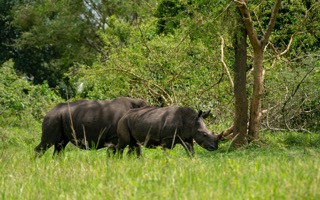
The flagship for a rhino reintroduction project organized by Rhino Fund Uganda and the Uganda Wildlife Authority, Ziwa Rhino Sanctuary is perfectly positioned for a stopover between Kampala and northern Uganda. More than 20 white rhinos now roam freely within the 7,000ha sanctuary, which is also home to other large mammals such as waterbuck, bushbuck and warthog.
57-Day Great African Expedition
We head to the capital city Kampala, which, like Rome, was originally built across seven hills (though its rapid expansion in recent years means it's probably more like 70 today). Chosen as the capital of King Suuna II of Buganda in the 1850s, Kampala now houses more than two million people and serves as the political, intellectual and economic hub of Uganda.
Begin the day with a guided tour of Kampala, Uganda's vibrant capital city. Kampala was originally built across seven hills and has grown into a bustling metropolis that serves as the country's political, cultural, and economic hub.
Kampala City Tour Highlights:
- Kasubi Tombs – A UNESCO World Heritage Site and the burial grounds of Buganda kings, offering insight into Uganda's royal history and cultural traditions.
- Uganda Museum – The oldest museum in East Africa, showcasing ethnographic, archaeological, and historical exhibits from across Uganda.
- Namirembe Cathedral – One of the oldest cathedrals in Uganda, perched on Namirembe Hill with panoramic views of the city.
- Gaddafi National Mosque – Climb the minaret for a 360-degree view of Kampala's seven hills and beyond.
- Kabaka's Palace – The official residence of the Buganda king, with a fascinating history including the infamous torture chambers from the Idi Amin era.
- Local Markets – Explore Nakasero Market or Owino Market for fresh produce, crafts, and a taste of daily Ugandan life.
- Craft Villages – Visit the National Theatre Craft Village or Buganda Road Craft Market for souvenirs and handmade crafts.
After lunch in Kampala, depart for Entebbe, a drive of approximately 40 kilometers taking around 1 to 1.5 hours depending on traffic. Entebbe sits on the northern shore of Lake Victoria and is a relaxed, low-rise city with abundant greenery and excellent birdlife.
Upon arrival in Entebbe, check in at Hotel. If time permits, visit the Uganda Wildlife Education Centre (UWEC) for close encounters with rescued wildlife, or stroll through the Entebbe Botanical Gardens along the lakeshore.
Overnight with breakfast, lunch, and dinner included.
Depart Entebbe after breakfast and transfer to Entebbe International Airport for your flight to Kilimanjaro International Airport (JRO), the gateway to Tanzania's northern safari circuit. The flight takes approximately 1 hour and 15 minutes with Uganda Airlines, the primary carrier operating this route. This is the most efficient way to cross from Uganda into Tanzania, avoiding a long and tiring overland journey.
Upon arrival at Kilimanjaro International Airport, you will be met by your PN tours and travel guide and transferred to Arusha, a drive of approximately 1 hour. Arusha is Tanzania's safari capital, situated at the foot of Mount Meru and serving as the gateway to Ngorongoro Crater, Serengeti, and Mount Kilimanjaro.
Check in at Ngorongoro Farm House, a charming lodge set on a working coffee farm with views of the surrounding highlands. Relax after your journey and enjoy the peaceful garden setting before dinner. Overnight with breakfast, lunch, and dinner included.
Busy Arusha is an essential part of safari life here in northern Tanzania and most travelers pass through at some stage. Whether you’re on your way out on safari or here for a little longer, you’ll catch a glimpse of streets filled with energy and color.
On a lovely estate just off the road between Ngorongoro Crater and Karatu, Ngorongoro Farm House is a special place. It offers you elegant rooms with classic, traditional decor (some rooms have four-poster beds), and everything here is tastefully designed and decorated. Part of an expansive coffee plantation and with deep- green views across the highlands, this place is a real oasis. No matter how long you stay, you'll wish you never had to leave.
Today you’ll visit Ngorongoro Crater, one of the most beautiful natural sights in Africa, a place where you’ll experience otherworldly beauty with extraordinary wildlife. Watch as, from above, morning mist rolls up and over the crater rim, and notice how the steep walls suggest a place unlike any other. Down below on the crater floor, explore a lost world preserved in a state of pristine isolation, one that shelters lions and hyenas, elephants and black rhinos, flamingos and golden jackals. There are also forests, hippo-filled lakes, a salt pan and hyena dens, and you’ll never lose the sense that you’ve stumbled into a safari theme park where everything’s wild.
Stay another night on the slopes of the crater’s outer wall, between green hills and the steep forests that climb into the clouds.
You’ll never forget the time you spend in the Serengeti. Perhaps it will be the sightings of leopard and cheetah as they show their skills as feared hunters of the plains and valleys. Or that unforgettable moment when an elephant family feeds alongside your vehicle, so close you could almost reach out and touch them. Or the first time you hear a lion roar. Then there are the herds of buffalo, zebra or wildebeest so large that they move as one across your horizon, like a river. All of these experiences are possible in the Serengeti, one of the most beautiful parks in Africa
You get the best of many worlds when you stay at Baobab Camp Serengeti. You'll be staying in the popular Seronera area of the central Serengeti, and yet the camp's location, by the banks of the (often-dry) Orangi River, is delightfully quiet. Elegant safari tents look out over an area where wildlife regularly passes by. There's a dining and a bar-lounge tent, and the stars are simply amazing at night.
There's no such thing as too many days in the Serengeti today you'll get to enjoy it all over again.
Wake before dawn and set out for a full day of exploration in one of Africa's most legendary wilderness areas. The Serengeti is a vast ecosystem of endless plains, acacia woodlands, and granite kopjes, and every game drive reveals something new.
Morning: Game Drive in the Central Serengeti
The Seronera area, where you're based, is renowned for its resident wildlife year round. Lions are frequently spotted lounging on the kopjes or patrolling the grasslands, and the area has one of the highest densities of leopards in Africa. Cheetahs are also common here, often seen scanning the plains from termite mounds. Elephants, giraffes, hippos, and large herds of buffalo, zebra, and wildebeest are all part of the daily tapestry. Your guide will track fresh signs and share insights into animal behaviour and the Serengeti's ecology.
Midday: Bush Lunch
Stop at a scenic spot for a picnic lunch in the bush, surrounded by the sights and sounds of the Serengeti. This is a classic safari moment the vastness of the plains stretching in every direction.
Afternoon: Continued Exploration
Continue your game drive through different areas of the park, perhaps visiting the Seronera River, which attracts wildlife year-round, or exploring the Retina Hippo Pool where hundreds of hippos wallow and spar. As the afternoon light softens, the plains take on a golden hue the perfect backdrop for photography.
Optional: Hot Air Balloon Safari
If booked in advance, you may choose to experience the Serengeti from above with a sunrise hot air balloon safari. It's an unforgettable way to see the plains, rivers, and wildlife from a completely different perspective, ending with a champagne bush breakfast.
Evening: Sundowner and Return to Camp
As the sun begins to set, enjoy a sundowner on the plains before returning to Baobab Serengeti Camp Central. Relax around the campfire, share stories of the day's sightings, and enjoy dinner under the stars. Overnight with breakfast, lunch, and dinner included, along with drinking water.
Take Tanzania’s pulse in Dar es Salaam, the country’s largest city and major international gateway. It’s a place to soak up the hot curry of cultures that make up this fascinating city. You’ll eat well in the wide range of restaurants, and there are museums and beaches as well.
There's much for you to enjoy at Emayani Beach, a good place to stay in a fine location.
When you arrive on Zanzibar Island, you know straightaway that this is a place like no other. This was an island made wealthy by its role in the spice trade, and the superb architecture and spice-filled markets are reminders of that time. Fine beaches and scenery are also found across the island.
You're going to be staying with us at Swahili House Zanzibar. It's an excellent base for getting to know the region and getting ready for what comes next.
Zanzibar Stone Town is a spectacular place to visit. The island's historical riches have produced stunning architecture, including houses built of coral and fine museums. When you smell the spices in the markets or hear the Muslim call to prayer echo through the tangled streets, you'll feel like you've stepped back centuries.
Return to the lodge for over night.
You’ll explore Mikumi National Park, nestled away in Tanzania’s Southern Highlands and one of the least- known parks in the country. It’s actually Tanzania’s fourth-largest national park, and there’s a good chance that you’ll see giraffes, elephants, lions, leopards, buffaloes and crocodiles amid all the baobabs, light woodland and savannah-like plains. Remember, too, that Mikumi is one of the best places in this region of Africa to see wild dogs. And because far fewer safaris make it out here than they do to other, better-known parks, you’ll enjoy the whole experience in relative peace.
Close to the Mikumi National Park entrance, Camp Bastian Mikumi sets you up perfectly for visiting the park. The camp has lots of trees, a swimming pool, a popular restaurant, as well as seven chalet-style rooms and a camping area. One of the highlights of staying here is the camp's popularity: you'll get to meet lots of other travelers with whom you can share safari stories in a relaxed setting.
Pretty Iringa has plenty to enjoy while you’re here. The world-class museum, historic rock art and deeply significant archaeological sites scattered around the town are just the start. You can also enjoy the many places to stay and eat and a busy market as you rest here in Tanzania’s Southern Highlands.
Sit on the terrace with a drink and enjoy the view at Iringa Sunset Hotel. The hotel sits on a hill surrounded by trees and rocky outcrops and these have been incorporated into the hotel's design so that the views take in almost the whole town. Rooms here are large and well looked after, and the beds have mosquito nets.
Lake Malawi is a pretty lake in southern Tanzania, and is surrounded by lake beaches and communities around the lakeshore.
Depart Lake Malawi after breakfast and transfer to Lilongwe International Airport (LLW), the nearest major airport to the lake region. The drive takes approximately 1.5 to 2 hours, depending on your specific location along the lakeshore.
Board a scheduled or charter flight from Lilongwe International Airport to Mfuwe International Airport (MFU), the gateway to South Luangwa National Park. The flight takes approximately 1 hour and offers aerial views of the Zambian landscape, the Luangwa River, and the surrounding valley.
Arrival at Mfuwe
Upon arrival at Mfuwe International Airport, you will be met by your guide and transferred to Marula Lodge, located near the park entrance. The drive takes approximately 20 to 30 minutes.
South Luangwa National Park is one of Africa's finest wilderness destinations, renowned for its high concentrations of leopard, lion, elephant, and buffalo. It is also the birthplace of the walking safari, offering an intimate and immersive way to experience the bush.
Check in at Lodge, relax after your journey, and enjoy the peaceful riverside setting before dinner. Overnight with breakfast, lunch, and dinner included.
Begin with a light breakfast around the campfire before departing for a morning game drive. This is the best time to spot wildlife when animals are most active. South Luangwa supports four of the Big Five lion, leopard, elephant, and buffalo—along with spotted hyena, wild dog, and impressive concentrations of antelope. Keep an eye out for endemic species found only in the Luangwa Valley, including Thornicroft's giraffe and Cookson's wildebeest. Your guide will pause at a scenic point for tea, coffee, and cake before returning to camp.
Return to Marula Lodge for brunch followed by leisure time during the hottest part of the day. Relax by the pool, which is regularly visited by elephants and hippos from the nearby Luangwa River. This midday break is essential before the afternoon activities.
After tea, head back into the park. South Luangwa is widely regarded as the finest walking safari destination in Africa. Guided bush walks, accompanied by an armed scout, offer an intimate way to read the land tracking animals, identifying plants, and learning how the ecosystem fits together. Alternatively, continue exploring by vehicle. The park's diverse habitats floodplains, woodlands, and oxbow lagoons support over 400 bird species.
The afternoon activity typically continues past sunset, making it one of the most rewarding experiences in South Luangwa. Night drives reveal the park's nocturnal inhabitants: leopards on the hunt, civets, genets, honey badgers, and bush babies. The use of spotlights allows you to witness predator activity that is rarely seen during daylight hours.
Immerse yourself in the urban bustle of Lusaka, which is not only the capital of Zambia but also its largest city, with a population estimated at two million. Centrally located on a mid-altitude plateau, Lusaka boasts a relatively temperate climate and serves as the country’s most important flight and road hub.
You'll be based at Pioneer Lodge for your visit to Lusaka. It's a good place to return to at the end of the day.
Zambia's former capital Livingstone is practically synonymous with the majestic Victoria Falls, a bucket list UNESCO World Heritage Site situated just 10km from the town center. It's also an engaging town to explore in its own right, boasting an interesting mix of early 19th century architectural landmarks, quirky museums, funky restaurants, well-stocked shops and lively markets.
You’ll enjoy the location of Victoria Falls Waterfront, which is both convenient and beautiful, situated on the Zambezi riverbank within Mosi-oa-Tunya National Park, roughly halfway between Victoria Falls and the town of Livingstone. Plenty of wildlife passes through the lodge’s large garden, which also hosts two swimming pools, a restaurant, bar and pizzeria, a well-organized activity center, and free shuttle services to Victoria Falls and Livingstone.
Welcome to Botswana's best national park for watching wildlife. Chobe is like an extension of the Okavango Delta, and contains two of Botswana's most rewarding wildlife areas: Savuti and Chobe Riverfront. Big cats are a real feature in these parts, but it's the big herds of really big elephants that will provide many of your most memorable sightings.
Pangolin Photo Camp will be your base for exploring Chobe National Park with us, and it's a terrific place to stay
Victoria Falls town is your gateway to the magnificent falls, and the views from town are among the best anywhere. You can also expect plenty of traveler friendly services here, from the great restaurants and craft shops to the numerous operators offering activities in the area. It's also one of the friendliest towns in Zimbabwe.
Pioneers Victoria Falls will be your base on this leg of your trip.
Victoria Falls will leave you spellbound with its scale and majesty: it really is one of the most remarkable natural scenes in Africa. It's not hard to see why locals call it Mosi-oa-Tunya, or the ‘smoke that thunders’.
It is one of the Seven Natural Wonders of the World and a UNESCO World Heritage Site. Locals call it Mosi-oa-Tunya "The Smoke That Thunders." A full day here combines the majesty of the falls with adventure activities and cultural experiences in the surrounding town.
Guided Tour of Victoria Falls
After breakfast, depart for Victoria Falls National Park with your guide. The tour follows a network of viewing points along the rainforest trail, each offering a different perspective of the falls. At 1,708 meters wide and 108 meters high, Victoria Falls is the world's largest sheet of falling water.
As you walk the trail, the spray rises hundreds of meters into the air, creating rainbows and soaking visitors a poncho is recommended. Your guide will explain the geology of the falls, the Zambezi River's role in shaping the landscape, and the local legends surrounding this natural wonder. Viewing points include the Devil's Cataract, Main Falls, Horseshoe Falls, Rainbow Falls, and the Eastern Cataract.
Optional Morning Activities:
- Helicopter Flight – Known as the "Flight of Angels," a 12 to 25-minute helicopter ride offers aerial views of the falls and the Zambezi River. This is the most spectacular way to appreciate the scale of the falls.
- Microlight Flight – An open-air alternative to the helicopter, offering unobstructed views and a thrilling experience.
- Bungee Jump / Gorge Swing – For adrenaline seekers, jump from the Victoria Falls Bridge, which spans the gorge between Zimbabwe and Zambia.
- White-Water Rafting – Full-day or half-day rafting trips on the Zambezi River below the falls, navigating some of the world's best rapids.
Return to Victoria Falls town for lunch at one of the many restaurants and cafes. The town is small, walkable, and friendly, with craft markets, curio shops, and art galleries to explore. The Victoria Falls Hotel, a colonial-era landmark, is worth a visit for its historic charm and views of the bridge.
Afternoon: Sunset Cruise on the Zambezi River
In the late afternoon, board a sunset cruise on the Zambezi River upstream from the falls. This is a quintessential Victoria Falls experience. As you glide along the calm waters, you'll enjoy drinks and snacks while watching elephants, hippos, crocodiles, and abundant birdlife along the riverbanks. The sunset over the African bush is unforgettable — a perfect end to a day at the falls.
Optional Afternoon Activities:
- Cultural Village Visit – Visit a traditional Zimbabwean village to learn about local customs, crafts, and daily life.
- Victoria Falls Bridge Tour – Walk or drive across the historic bridge for views of the gorge and the falls.
- Elephant Interaction – Ethical elephant encounters that allow you to walk with and feed rescued elephants.
Evening: Dinner and Return to Lodge
Enjoy dinner at your lodge or a local restaurant. Return to the lodge for overnight accommodation.
Running along the international border between Namibia and Botswana, the Chobe River is one of southern Africa's most important wildlife rivers. You'll almost certainly see hippos and crocs in the river, as well as plenty of birds, and there's always lots of wildlife by the shore. This is especially true in Chobe National Park on the Botswana side.
If you look at Kasane on a map, you'll see that it's close to where four countries meet: you're in Botswana, but Namibia, Zambia and Zimbabwe are all a short drive away! Kasane itself is a quiet provincial town with an attractive riverfront setting and a real feeling that safaris and wildlife are not far away.
You're going to be staying with us at Travelodge Kasane. It's an excellent base for getting to know the region and getting ready for what comes next.
Maun is often where the excitement of being on safari begins to take hold. So much of what goes on in this relaxed city, which is strung out along the banks of the Thamalakane River, is focused on getting you out on safari or welcoming you back in from the wilds of northern Botswana. It has good restaurants, accommodation and a range of shops.
At Maun Lodge, which is popular with international and local well-to-do travelers, you'll sleep in one of the excellent hotel-style rooms and you can relax in the onsite swimming pool, bar and restaurant. The location is also terrific, alongside the Thamalakane River yet conveniently close to the center of Maun and all that it has to offer
You can look forward to one of southern Africa's best wildlife experiences when you visit the Okavango Delta. It's a world like nowhere else, as the waters here rise and fall with islands everywhere. As you travel around, you can expect to see crocs, hippos, giraffes, zebras, elephants, buffaloes, and so many other species, and there's always a good chance of seeing lions, cheetahs and leopards.
There's much for you to enjoy at Crocodile Camp, a great place to stay in a good location.
After an early breakfast, depart camp for a morning mokoro excursion. A mokoro is a traditional dugout canoe, poled through the shallow waterways by a local guide using a long pole called a ngashi. Gliding silently through the clear waters of the delta is one of the most peaceful and intimate ways to experience the wilderness. The only sounds are the pole dipping into the water, the call of fish eagles, and the rustle of reeds.
Your poler guide is typically a member of the local BaYei community, who have navigated these waters for generations. They will share knowledge of the delta's ecology, pointing out plants, birds, and animal tracks along the way. Keep an eye out for hippos, crocodiles, and the rare sitatunga antelope, which inhabits the papyrus swamps. The delta is also a birdwatcher's paradise, with over 400 species recorded, including the African fish eagle, malachite kingfisher, and Pel's fishing owl.
Midday: Guided Walking Safari on an Island
Stop on one of the delta's many islands for a guided walking safari. Accompanied by an armed guide, you'll explore the island on foot, tracking wildlife and learning about the smaller details of the bush animal tracks, scat, insects, and medicinal plants. The delta's islands are home to elephants, giraffes, zebras, wildebeest, impalas, and occasionally lions, leopards, and cheetahs. Walking in the delta offers a completely different perspective from a vehicle or boat, bringing you closer to nature at eye level.
Return to the mokoro for a picnic lunch on the island or back at camp, depending on the itinerary.
Afternoon: Game Drive in the Delta
After lunch and a rest during the heat of the day, head out for an afternoon game drive. The Okavango Delta supports an incredible diversity of wildlife. You can expect to see elephants, buffaloes, giraffes, zebras, wildebeest, and a variety of antelope species. Predators are also present, including lions, leopards, cheetahs, and wild dogs. The delta's waterways attract hippos and crocodiles, and the birdlife is spectacular throughout the year.
The game drive typically continues into the late afternoon as the light softens and animals become more active. Sundowners are often served at a scenic spot overlooking a lagoon or floodplain a perfect way to end the day's exploration.
Evening: Return to Camp
Return to Crocodile Camp in the evening for dinner and relaxation. The delta's night sky is breathtaking, with the Milky Way clearly visible. Enjoy the sounds of the bush hippos grunting, frogs calling, and the distant roar of a lion before retiring for the night.
Ghanzi might be a large town, but its sand-blown streets very much belong in the Kalahari Desert, which surrounds the town in all directions. Most travelers pass through here on their way to or from the Central Kalahari Game Reserve or Namibia.
Windhoek is one of southern Africa's more relaxed capital cities, with wide boulevards and lots of Germanera colonial architecture. The city also has excellent choices when it comes to eating and shopping, and it's home to Namibia's best museums as well.
You're going to love Etosha National Park, which is one of the best places to see wildlife in all of southern Africa. Watch for lions hunting by the waterholes, and you can't miss the elephants cloaked in white Etosha dust. Rhinos draw near to the waterholes by the camps after dark, and leopards are also possible here. And don't forget the scenery: the vast and mesmerizing salt pans that are such a feature of the park are simply stunning.
A short drive outside Etosha National Park's southwestern corner, Etosha Safari Lodge is a glorious place to stay. The rooms here are filled with light and space, with abundant use of brick and wood, and the lodge has a swimming pool, a restaurant and a bar. Best of all, Etosha's wildlife is not far away.
Begin with an early breakfast and depart camp before sunrise. The early morning is the best time for wildlife viewing, as animals are most active in the cool hours. Enter the park through the Anderson Gate, near Etosha Safari Lodge, and head toward the network of waterholes that dot the park's southern and central regions.
Etosha is home to four of the Big Five lion, leopard, elephant, and rhino along with cheetah, giraffe, zebra, wildebeest, and over 340 bird species. The park's elephants are particularly distinctive, often coated in the white dust of the Etosha pan, giving them a ghostly appearance. Black rhinos are a highlight here, with Etosha being one of the best places in Africa to see them. They are most active in the early morning and late afternoon, often visiting waterholes to drink.
Your guide will navigate between waterholes such as Okaukuejo, Halali, and the famous Nebrownii waterhole, where you can park and watch the wildlife come to you. Morning sightings might include lions returning from a night hunt, elephants bathing, and herds of springbok and gemsbok moving across the plains.
Midday: Brunch and Rest at a Camp
Stop at one of the park's rest camps Okaukuejo, Halali, or Namutoni for brunch. These camps offer restaurants, swimming pools, and viewing decks overlooking floodlit waterholes. You can relax during the hottest part of the day, swim, or simply sit and watch the wildlife that comes to drink. The waterhole at Okaukuejo is particularly famous for its sightings of rhinos and elephants, especially in the evening.
Afternoon: Game Drive and Waterhole Circuit
After lunch and a rest, continue exploring the park's vast network of gravel roads and waterholes. The afternoon light is ideal for photography, and wildlife activity picks up as the heat subsides. Elephants, giraffes, and zebras frequently gather at waterholes, and predators such as lions and cheetahs may be seen on the move.
The Etosha Pan itself is a surreal sight a vast, white, cracked expanse that stretches to the horizon. In the dry season, mirages shimmer on the pan, and dust devils spin across its surface. The pan is usually dry but occasionally fills with shallow water after heavy rains, attracting flamingos and pelicans.
Late Afternoon: Visit to a Floodlit Waterhole
As the sun begins to set, head to one of the park's floodlit waterholes, such as the one at Okaukuejo or Halali. These waterholes are illuminated at night, allowing you to continue wildlife viewing after dark. This is one of Etosha's signature experiences sitting quietly on a viewing deck, watching rhinos, elephants, lions, and other animals emerge from the darkness to drink. The atmosphere is peaceful and thrilling, with only the sounds of the bush and the occasional grunt of a hippo or roar of a lion breaking the silence.
Evening: Return to Lodge
Return to Etosha Safari Lodge in the evening for dinner and relaxation. The lodge is located just outside the park's Anderson Gate, offering comfortable rooms, a swimming pool, and a restaurant. Share stories of the day's sightings under the stars before retiring for the night.
Admire the scenery of Brandberg, whose Königstein summit is Namibia's highest point (2573m). The Tsisab and Numas Ravines shelter some of southern Africa's most beautiful ancient rock paintings, including the remarkable 'White Lady of the Brandberg'. Watch the sunset on the Brandberg's western wall, and you'll see why its name means 'Fire Mountain'
At Lodge, you'll love the location, close to some of Namibia's best rock art. There's a range of accommodation here, including stone-walled cottages, motel-style rooms, safari tents and a camping area. Apart from visiting the rock art, you can swim in the pool or go looking for desert elephants in the area
Admiring the architecture is easy in Swakopmund because there are beautiful colonial buildings everywhere, including fortress remains, half-timbered houses, and churches. The sand dunes that surround the town are a reminder that the town has a fantastic location as well, which is why so many travelers come here for the adrenaline-fueled activities on offer.
You're going to be staying with us at Hotel Swakopmund. It's an excellent base for getting to know the region and getting ready for what comes next.
Return to Swakopmund and enjoy this fantastic town all
over again.
We think you'll love the drama of 3km-long Sesriem Canyon, with its 30m-high rock walls.
You're going to be staying with us at Lodge. It's an excellent base for getting to know the region and
getting ready for what comes next.
You get to enjoy some of the prettiest desert views anywhere in southern Africa when you visit Sossusvlei. There are so many near-perfect dunes, with sharp ridgelines and warm hues of gold and red close to sunrise and sunset. The further you go into the valley, the more beautiful it becomes, with so many dunes to climb and lone acacias silhouetted against impossibly tall dunes.
Enjoy staying at Lodge as your base while you're here.
They don't call Fish River Canyon Africa's Grand Canyon for nothing. It's Africa's largest (and the world's second largest) canyon and an astonishing place, partly because the views seem to go on forever. It's also because the
landscape that surrounds it gives you no clue of the canyon's drama. Whether you go for a walk or just enjoy the views, it's one of southern Namibia's highlights.
It will be impossible for you to take your eyes off the view when you stay at Fish River Lodge. The rooms, the restaurant, the bar and the swimming pool all have incredible views. The rooms are particularly nice with luxury furnishings and big windows that let in plenty of light and views. The service is also excellent.
Depart Fish River Lodge after breakfast and begin your journey south toward the South African border. The drive takes you through the rugged landscapes of southern Namibia, passing through the towns of Keetmanshoop and Noordoewer before crossing into South Africa at the Vioolsdrift border post.
The Route:
The journey from Fish River Canyon to the border covers approximately 300–350 kilometers and takes around 5 to 6 hours by road, depending on road conditions and border formalities. The route passes through the town of Keetmanshoop, where you can stop for fuel, refreshments, or a brief visit to the Quiver Tree Forest—a striking collection of prehistoric-looking aloes unique to southern Africa.
From Keetmanshoop, continue south along the N7 highway toward the Orange River, which forms the natural border between Namibia and South Africa. The landscape here is arid and dramatic, with rocky outcrops, vast plains, and the winding Orange River cutting through the terrain.
Border Crossing at Vioolsdrift:
Cross into South Africa at the Vioolsdrift border post. After clearing immigration and customs on both sides, continue south along the N7 highway through the Northern Cape province. The scenery transitions from desert to semi-arid scrubland as you head toward Garies, a small town in the Kamiesberg Mountains.
Arrival in Garies:
Garies is a quiet farming town surrounded by wildflower fields in spring and rugged mountain scenery year-round. It serves as a convenient overnight stop between Namibia and Cape Town.
Check in at The Islandview House, a comfortable guesthouse with friendly hosts and a peaceful garden setting. Relax after your journey and enjoy dinner.
Lovers of rooibos tea might be surprised to learn that the Cederberg is the only place in the world where this native species grows. The magnificently eroded rock formations of this hiker-friendly wilderness also protect some of South Africa's finest prehistoric rock art.
Rest your weary legs at Algeria Cottages and enjoy the sense of achievement and the company of other travelers
Widely regarded to be one of the world's most beautiful cities, Cape Town will enchant you immediately with its spectacular setting below Table Mountain. Take a cableway to the mountain’s 1,085m summit, explore the historic Company Gardens and cluster of museums, enjoy a terrace seafood meal at the iconic Victoria and Alfred Waterfront, or head out of town to enjoy a blissful selection of wine estates, beaches and nature reserves.
Stay at Inns Cape on Castle Hotel with us. It's an excellent place to stay as you enjoy this leg of your trip.
Begin your day with a visit to Table Mountain, one of the New7Wonders of Nature. Take the rotating cable car to the 1,085-meter summit for breathtaking 360-degree views of the city, Table Bay, Robben Island, and the Cape Peninsula. On a clear day, you can see the entire Cape Flats and the distant peaks of the Hottentots Holland Mountains. Spend time exploring the walking paths at the top, spotting the curious rock hyraxes (dassies), and enjoying a coffee at the summit café.
Note: The cableway operates weather permitting. If clouds cover the mountain, your guide will adjust the itinerary accordingly.
City Centre and Company's Garden
Descend from Table Mountain and head into the city centre. Visit the Company's Garden, a historic park established in the 1650s to supply ships with fresh produce. Today it is a tranquil green space surrounded by museums, including the Iziko South African Museum and the South African National Gallery.
Stroll through the nearby streets to see landmarks such as the Houses of Parliament, the Castle of Good Hope (South Africa's oldest surviving colonial building), and the colorful Bo-Kaap neighbourhood, famous for its brightly painted houses and Cape Malay heritage. The Bo-Kaap Museum offers insight into the area's history and culture.
Lunch: V&A Waterfront
Head to the Victoria and Alfred Waterfront, Cape Town's bustling harbour district. Choose from a wide range of restaurants serving fresh seafood, Cape Malay cuisine, and international dishes. After lunch, explore the waterfront's shops, craft markets, and street performers. The Zeitz Museum of Contemporary Art Africa (MOCAA), housed in a converted grain silo, is a must-visit for art lovers.
Afternoon: Cape Peninsula or Chapman's Peak Drive
If time permits, take a scenic drive along Chapman's Peak Drive, one of the world's most spectacular coastal roads, winding along the Atlantic seaboard between Hout Bay and Noordhoek. Continue to Cape Point and the Cape of Good Hope, the southwesternmost tip of Africa, where dramatic cliffs plunge into the ocean. Keep an eye out for baboons, ostriches, and Cape mountain zebras along the way.
Alternatively, visit Boulders Beach near Simon's Town to see the famous colony of African penguins. A boardwalk allows you to get close to these charming birds without disturbing them.
Optional: Robben Island
For a deeper understanding of South Africa's history, take a ferry to Robben Island, where Nelson Mandela was imprisoned for 18 years. Tours are led by former political prisoners and include a visit to Mandela's cell and the limestone quarry where he laboured. The ferry ride also offers stunning views of Table Mountain from the bay.
Evening: Sunset and Dinner
End your day with a sunset drive along the Atlantic seaboard. Signal Hill and Lion's Head offer panoramic views of the city and ocean as the sun sets. For dinner, choose from the city's vibrant culinary scene—whether it's a steakhouse in the city centre, a seafood restaurant in Camps Bay, or a Cape Malay curry in Bo-Kaap.
Unfortunately, this is where your safari in South Africa finishes. We hope that you've had a great trip and that we will see you again in the future.
After breakfast, check out of InnsCape on Castle Hotel and transfer to Cape Town International Airport for your onward flight. The drive takes approximately 20 to 30 minutes from the city centre, depending on traffic.
Cape Town International Airport is Africa's third-busiest airport, with domestic, regional, and international terminals. Ensure you arrive at least 2 to 3 hours before your flight for check-in, security, and immigration formalities if departing internationally.
This marks the end of your 60 Day Great African Expedition. We hope you leave with unforgettable memories of Africa's wildlife, landscapes, and cultures and that we will see you again in the future.

